Buying Authentic Studio Ghibli Collectibles Direct From Japan
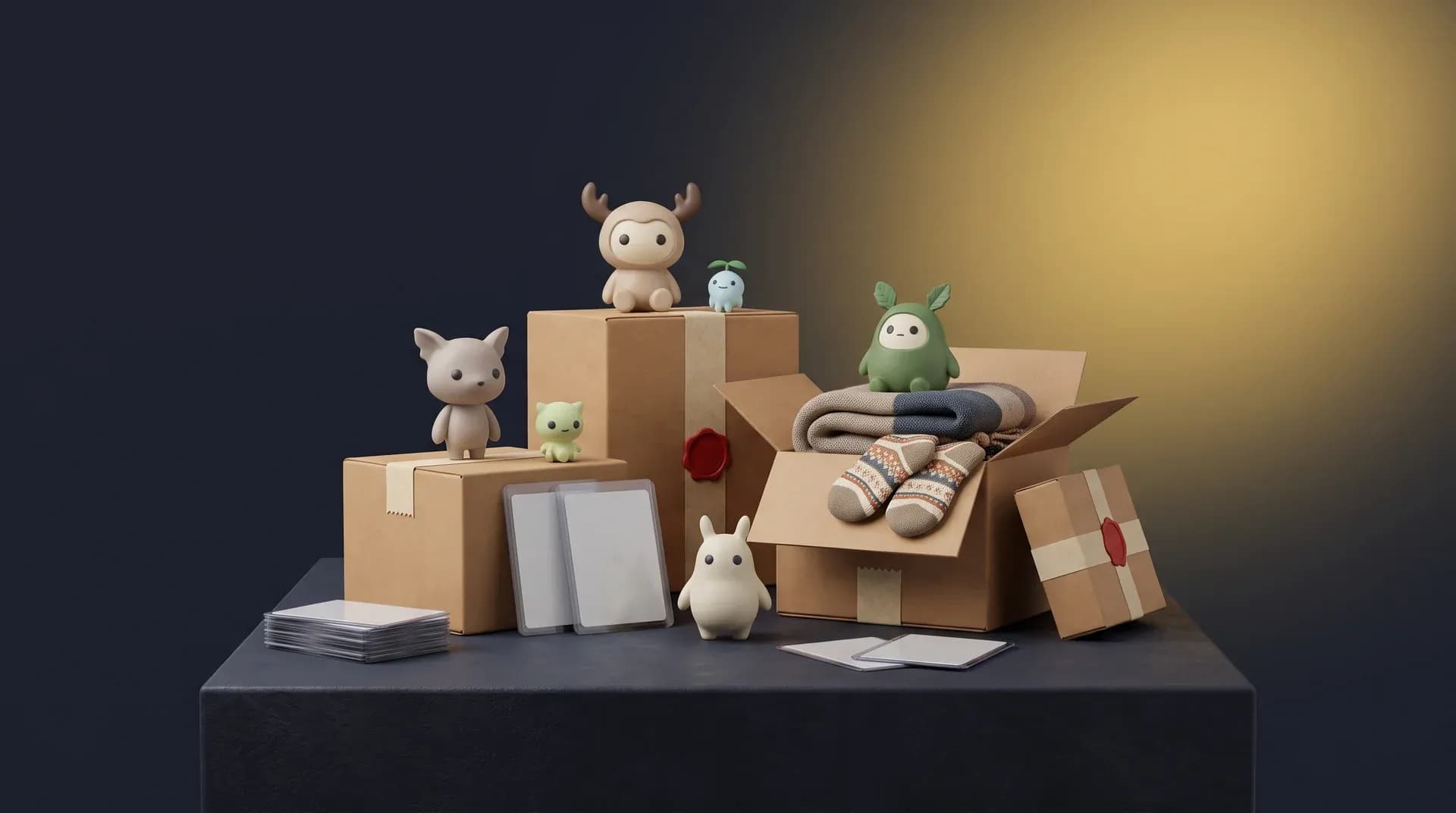
When winter approaches in Japan, the official Studio Ghibli retail chain Donguri Kyowakoku consistently drops exclusive seasonal homeware items designed to bring warmth and franchise nostalgia straight to the living room. For international fans and dedicated collectors, tracking down these authentic items requires understanding the rhythm of Japanese retail releases, navigating proxy purchasing platforms, and distinguishing between genuine manufacturer goods and cheap overseas replicas. If you want to build a collection of authentic Studio Ghibli merchandise without falling victim to inflated reseller markups on secondary auction sites, you need a direct pipeline to Japanese storefronts. This is for international collectors who want to bypass domestic markup, secure legitimate character goods straight from Tokyo, and protect their shelves from counterfeit figures, plushies, and textiles.
Studio Ghibli merchandise occupies a unique space in the global collector market because the studio maintains tight quality control over its official retail channels. Unlike mass-produced American cartoon merchandise, Ghibli items often use tactile, high-grade fabrics, textured weaves, and subtle color palettes meant to evoke the handcrafted aesthetic of films like My Neighbor Totoro, Spirited Away, and Princess Mononoke. When the chain releases new seasonal items—such as the starry night Totoro blankets and cozy winter socks detailed in recent updates reported by SoraNews24—they immediately become primary targets for collectors seeking items with authentic Japanese manufacturing tags. To understand how these releases fit into a broader acquisition strategy, review our guide on [Studio Ghibli Plush Collection: How to Secure New Releases](/blog/studio-ghibli-plush-collection-secure-releases).
The timing of your purchase is everything when dealing with Japan-exclusive character goods. Donguri Kyowakoku operates on strict seasonal rollouts that coincide with meteorological shifts in Japan. When autumn transitions into winter, items like the newly announced cosy socks and star-patterned lap blankets Studio Ghibli adds new cosy socks to its anime merchandise collection hit shelves in limited quantities. Waiting three months for a western distributor to import these goods usually results in stock depletion and secondary market prices that double the original retail cost. If you want to secure these pieces at domestic Japanese prices, you must monitor retail announcements the week they drop and move quickly through proxy buying services. For a broader framework on timing your purchases around media events, take a look at our analysis on [Collecting Anime Merchandise: Timing New Series Releases](/blog/collecting-anime-merchandise-new-series-releases).
Acquiring Japanese character goods directly from Tokyo storefronts requires a repeatable, systematic workflow. By following these operational steps, you can secure items safely and efficiently.
The Play: Step-by-Step
!The Play: Step-by-Step visual for Buying Authentic Studio Ghibli Collectibles Direct From Japan Figure 1: The Play: Step-by-Step
Step 1: Establish Your Proxy and Warehouse Infrastructure
Before any seasonal drop occurs, you need to establish accounts with reputable, battle-tested proxy shopping and forwarding services such as ZenMarket, Buyee, or From Japan. These services act as your domestic Japanese buyer, purchasing items from restricted regional platforms like the official Donguri Kyowakoku online Sora no Koe store, Animate, or Surugaya. Crucially, select a proxy that offers a free or low-cost consolidation warehouse based in Tokyo or Osaka. Having a local storage hub allows you to accumulate multiple small purchases over a 30-to-45-day window, combining them into a single heavy-duty master carton. This dramatically reduces the base international shipping rate compared to shipping every single plushie or acrylic keychain in its own individual mailer box. Take time to verify account verification steps, including phone or credit card confirmation, well in advance so your account is fully unlocked the morning a limited product goes live.
Step 2: Track Seasonal Release Calendars and Set Alerts
Studio Ghibli merchandise release schedules are remarkably predictable once you learn to read the Japanese retail calendar. Major winter homeware lines, featuring thick flannel blankets, embroidered slippers, and heavy ceramic mugs, typically drop during the first week of October. Spring and summer lines, focusing on canvas tote bags, UV-blocking umbrellas, and lightweight linen tenugui towels, drop in early April. Set up RSS feed monitors for Japanese pop culture blogs, follow Donguri Kyowakoku's official X (formerly Twitter) and Instagram accounts, and bookmark enthusiast curation sites like SoraNews24 and Natalie. When an article drops detailing a new line of star-patterned Totoro socks priced at 1,430 yen (approx. $9.50 USD), you must immediately cross-reference the official store's item code and product page.
Step 3: Pre-Calculate Landed Costs and Currency Fluctuations
Never look solely at the sticker price of a Japanese collectible. To determine if a direct purchase makes financial sense, calculate your complete landed cost using a transparent formula: (Item Retail Price + Japanese Consumption Tax [10%] + Domestic Proxy Purchase Fee [typically 300 to 500 yen]) + Domestic Shipping to Warehouse + International Shipping (by volumetric or dead weight). Monitor current JPY-to-USD exchange rates, as a weakening yen can provide an exceptional discount for international buyers. For instance, a 4,500 yen Totoro lap blanket that would retail for $65 at a local North American convention booth can often be acquired direct from Japan for roughly 4,500 yen ($30 USD at favorable rates) plus $15 in prorated international shipping, netting you a significant 30% savings.
Step 4: Execute the Order on Release Day with Zero Hesitation
On the morning of a major collection drop—usually happening at 10:00 AM Japan Standard Time (JST)—open your proxy service dashboard. Copy the exact URL of the Donguri Kyowakoku product page into your proxy order form. In the special instructions box, specify your exact color, size, or variant preferences if applicable. Fund your proxy account with sufficient credit using a major credit card or PayPal. The proxy service's automated buying bots or manual purchasers will execute the transaction within one to three hours. If an item is exceptionally limited, such as a numbered bronze statue or a special anniversary music box, use a proxy service that offers a direct browser-extension purchasing tool to secure the cart yourself in real time.
Step 5: Optimize International Shipping Carrier and Packaging Options
Once your items arrive safely at your proxy warehouse—usually within 2 to 4 business days—you will receive a notification prompting you to create an international parcel. Review the weight and dimensions provided by the warehouse staff. If your package contains bulky items like plushies, cushions, or heavy winter blankets, select the option for vacuum sealing or compression bagging if the proxy offers it. This can reduce dimensional weight charges by up to 40%. Next, choose your carrier based on your delivery timeline: use Japan Post EMS or DHL for fragile ceramic teacups and limited-edition figures requiring door-to-door tracking within 4 to 7 days, or select surface mail/Registered SAL for heavy plush hauls if you are willing to wait 4 to 8 weeks for a steep discount in shipping fees.
Step 6: Perform Inspection and Authentication Upon Delivery
When your master carton arrives at your home, film an unboxing video to document any potential transit damage. Carefully unpack each item and inspect the packaging and soft goods. Authentic Studio Ghibli items manufactured under license by Sun Arrow, Ensky, or Benelic always feature rigorous quality control markers. Check for crisp, legible cardboard hangtags with genuine Studio Ghibli copyright holograms, stitched fabric tags with official licensing text in Japanese characters, and correct Pantone color matching on character facial features. Retain all original packaging, as pristine boxes and tags preserve the long-term collector value of your items.
Real-World Example
!Real-World Example visual for Buying Authentic Studio Ghibli Collectibles Direct From Japan Figure 2: Real-World Example
To see how this multi-step acquisition workflow operates under real-world conditions, consider the case of Marcus, an avid Ghibli collector based in Chicago, Illinois. In early October, Marcus reads an exclusive report about the upcoming winter collection release featuring the starry night Totoro throw blanket (priced at 5,200 yen) and matching knitted room socks (priced at 1,500 yen).
Marcus opens his established ZenMarket proxy dashboard on the morning of October 4th, exactly at 10:00 AM JST. He pastes the product URLs for both the blanket and two pairs of socks into the order fields, adding a total of 8,200 yen to his account balance via credit card. His total item cost is 8,200 yen, plus a flat proxy fee of 300 yen per item (900 yen total), bringing the subtotal to 9,100 yen.
By 12:30 PM JST, ZenMarket's purchasing team successfully secures the items from the online storefront. Over the next three days, the blanket and socks travel from the central Japanese distribution hub to ZenMarket's Tokyo warehouse, incurring a domestic shipping fee of 770 yen.
Two weeks later, Marcus has also accumulated an acrylic display stand and a small brass music box bought during separate sales. He logs into his warehouse dashboard, selects all four items, and requests consolidation. The warehouse packs them into a single corrugated box measuring 45cm x 35cm x 30cm, with a total chargeable volumetric weight of 2.8 kilograms.
Marcus selects Japan Post EMS as his carrier, which costs 5,400 yen for this weight tier. He also checks the box for additional sturdy outer wrapping to protect the music box. Five days later, the postal carrier drops the box at his front door in Chicago.
Breaking down the exact financials:
- Item Costs (Blanket + 2x Socks): 8,200 yen (~$54 USD)
- Proxy Fees: 900 yen (~$6 USD)
- Domestic Japanese Shipping: 770 yen (~$5 USD)
- International EMS Shipping: 5,400 yen (~$36 USD)
- Total Landed Investment: 15,270 yen (~$101 USD)
When Marcus compares this landed total to the predicted U.S. specialty anime import store price of $145.00 plus local state taxes, his direct-from-Japan workflow saves him over $45 while ensuring he secures the items before any domestic stock depletion occurs.
Even experienced collectors make critical errors when buying character goods direct from Japan. The most common pitfall is ignoring box dimensions and volumetric weight when shipping plushies and blankets. While a Ghibli blanket is lightweight, its folded volume can trigger higher shipping tiers if packed inefficiently. Always request vacuum sealing when your proxy service offers it for soft goods. Another failure mode is assuming all items on secondary auction sites are authentic. Counterfeiters frequently replicate popular Totoro plush designs and stationery sets, omitting the official licensing tags. Always verify that the seller provides clear photographs of the sewn-in manufacturer tags and original cardboard backing cards before committing funds.
- Monitor official retail RSS feeds and fan translation blogs weekly to catch seasonal collection drops before proxy buyers exhaust stock.
- Consolidate multiple small purchases into a single international shipment at your proxy warehouse to minimize base shipping fees.
- Request detailed photographs or inspection services from your proxy warehouse if you are purchasing high-value vintage figures or limited-edition art books.
[Buy Authentic Japanese Collectibles: Guide to New Releases](/blog/buy-authentic-japanese-collectibles-new-releases)
Frequently Asked Questions
How much do proxy shopping fees cost for Japanese collectibles?
Most proxy services charge a flat fee ranging from three hundred to five hundred yen per item, or a small percentage of the item's purchase price. Additional costs include domestic Japanese shipping to the proxy warehouse and international shipping to your country based on weight and dimensions.
Are Donguri Kyowakoku Ghibli items available internationally?
Official Donguri Kyowakoku retail stores are primarily located in Japan, and their domestic online store does not ship internationally. International fans must use a Japan-based shopping proxy or buy from specialized import stores that mark up prices to cover their own sourcing costs.
How can I verify if my Studio Ghibli plushie is authentic?
Authentic Ghibli plushies manufactured for the Japanese market feature sewn-in fabric tags displaying the Studio Ghibli copyright mark, the specific character name in Japanese or English, and manufacturing lot codes. Counterfeit items often feature blurry printing, misspelled text, or missing tag details.
What is the best shipping method for fragile anime figures?
EMS and DHL provide the safest transit for fragile resin or PVC figures, offering full insurance coverage and tracking from Tokyo to your door. For heavy plush items and textiles, registered surface mail or sea mail offers a budget-friendly alternative if you are not in a rush.
/newsletter
Related reading
- [Studio Ghibli Stationery: How to Secure New Releases](/blog/studio-ghibli-stationery-secure-releases)
- [Buy Japanese Anime Merchandise Direct from Tokyo](/blog/buy-japanese-anime-merchandise-direct-tokyo)
KADO Japan


